Injured In A Tractor Accident On A Wisconsin Road? What To Know
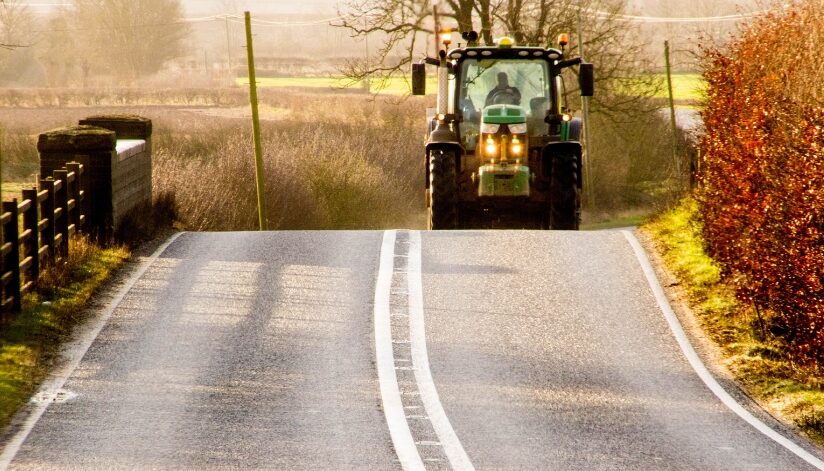
A driver approaches a tractor on a rural road and begins to pass just as the tractor turns left into a field. In another situation, a motorist comes over a hill and has only seconds to react to slow-moving farm equipment. A tractor operator may also be injured when an impatient driver follows too closely or attempts to pass without enough room.
After a tractor accident on a Wisconsin road, it may not be immediately clear who was responsible. The crash may involve the tractor operator, another driver, the farm or business that owns the equipment, an employer, a maintenance provider, or several insurance policies.
Tractor accident claims can differ from ordinary car accident claims because agricultural equipment may be unusually wide, move much more slowly than surrounding traffic, extend across the centerline in some circumstances, and operate under specialized Wisconsin lighting and marking requirements. Determining responsibility requires a careful review of how the collision occurred, what each person could see, and whether the equipment and vehicles were operated safely.
Why Do Tractor Accidents Happen On Wisconsin Roads?
Farm tractors and other agricultural vehicles are permitted to operate on Wisconsin roads. WisDOT commonly refers to tractors, combines, farm trailers, and similar equipment as implements of husbandry. These vehicles are essential to agricultural work, but they are often larger, slower, and less maneuverable than passenger vehicles.
Crashes may occur when:
- A driver approaches slow-moving equipment too quickly
- A motorist misjudges the tractor’s speed
- A driver follows too closely
- A motorist attempts to pass in an unsafe location
- A tractor begins a left turn while another vehicle is passing
- The equipment is difficult to see because of darkness, weather, hills, or curves
- Required lights, reflectors, or markings are missing or obscured
- Wide equipment extends into another lane
- Mud, manure, crops, or other material falls onto the roadway
- A vehicle enters or exits a field, driveway, or farm road
- Equipment experiences a mechanical failure
- Several vehicles become involved in a chain-reaction collision
WisDOT has reported more than 2,000 crashes involving farm vehicles over a five-year period in Wisconsin. While those statewide figures do not establish responsibility in any individual accident, they show that collisions involving agricultural vehicles are a recurring road-safety concern.
Who May Be Responsible For A Wisconsin Tractor Accident?
Responsibility depends on the specific actions of each person or business involved.
Potentially responsible parties may include:
- The driver of a passenger vehicle
- The tractor or equipment operator
- The farm or agricultural business that owns the equipment
- An employer whose employee was operating a vehicle for work
- The owner of separately rented or leased equipment
- A maintenance or repair provider
- A contractor transporting agricultural equipment
- A manufacturer of defective equipment or vehicle components
- Another motorist whose actions contributed to a multivehicle crash
The fact that a tractor was moving slowly does not mean its operator caused the collision. Likewise, the presence of a slow-moving vehicle emblem does not excuse unsafe operation or eliminate the need for appropriate lights, signals, and precautions.
An investigation should examine the conduct of every involved party rather than assuming that either the tractor operator or the approaching driver was automatically at fault.
When May The Other Driver Be Responsible?
A driver approaching farm equipment must account for its lower speed, larger size, and limited maneuverability.
Responsibility may arise when a motorist:
- Follows too closely
- Drives too fast for visibility or traffic conditions
- Fails to notice a slow-moving vehicle
- Passes where passing is prohibited
- Attempts to pass without sufficient sight distance
- Ignores a turn signal
- Passes while approaching an intersection, hill, or curve
- Drives while distracted or impaired
- Fails to leave enough room for wide equipment
- Strikes the tractor or an attached implement from behind
One common problem is speed misjudgment. A tractor may appear to be traveling at a normal traffic speed when first seen from a distance, even though the gap between the vehicles is closing rapidly.
Drivers should also consider that agricultural equipment may slow or turn into a field entrance that is difficult to see. A lack of a marked intersection does not mean the operator will continue straight.
When May The Tractor Operator Or Farm Be Responsible?
A tractor operator or agricultural business may be relevant when evidence suggests that the equipment was operated, marked, or maintained unsafely.
Potential concerns may include:
- Missing or nonworking lights
- An absent or obscured slow-moving vehicle emblem
- Failure to signal a turn
- Turning across traffic without adequate observation
- Operating too far to the left when it was practicable to move right
- Entering the roadway without yielding when required
- Transporting equipment without required markings
- Operating equipment that has unsafe brakes, steering, tires, or other components
- Allowing mud, cargo, or material to create a roadway hazard
- Using an inexperienced or unqualified operator
- Operating exceptionally wide equipment without required warnings or an escort vehicle
The farm or business may also become involved if the tractor operator was acting within the scope of employment. Equipment ownership, employment status, insurance coverage, and operational control may all require review.
Not every technical problem proves that it caused the collision. For example, a damaged reflector may be unrelated to an accident that occurred in clear daylight. The evidence must connect the alleged conduct or equipment condition to the crash.
What Is A Slow-Moving Vehicle Emblem?
A slow-moving vehicle emblem is the triangular orange and red sign commonly displayed on the rear of tractors and other vehicles that travel at low speeds.
WisDOT states that implements of husbandry must display a slow-moving vehicle emblem on the rear, subject to specific rules for combinations in which an emblem remains visible from behind. Additional lighting and marking requirements may apply depending on the equipment’s width, configuration, and whether it is being operated during darkness.
The emblem alerts an approaching driver that the vehicle is traveling substantially slower than ordinary traffic. It does not mean the tractor must leave the road whenever another vehicle approaches, and it does not give other drivers permission to pass in an unsafe or prohibited location.
Evidence about the emblem may still be important after a crash.
Investigators may consider whether it was:
- Present
- Properly positioned
- Visible from the rear
- Clean and unobstructed
- Damaged or faded
- Blocked by attached equipment or cargo
Photographs taken soon after the accident can help document the tractor’s markings and overall configuration.
Can You Pass A Tractor In A No-Passing Zone?
Wisconsin drivers generally may not cross into the opposing lane to pass an implement of husbandry or an agricultural commercial motor vehicle in a marked no-passing zone.
Wisconsin law provides a limited exception allowing a driver to pass certain very slow vehicles in a no-passing zone, but the exception specifically excludes implements of husbandry and agricultural commercial motor vehicles. WisDOT therefore advises motorists that passing an agricultural vehicle in a no-passing zone is unlawful.
Even where passing is otherwise permitted, the driver should consider:
- Whether the roadway ahead is clearly visible
- Whether there is enough distance to complete the pass
- Whether another vehicle is approaching
- Whether the tractor is preparing to turn left
- Whether the equipment is wider than it first appears
- Whether the road approaches a hill, curve, bridge, driveway, or intersection
- Whether another vehicle is already passing
- Whether the tractor operator has provided a signal
A driver should not assume that a tractor moving toward the right side of the road is inviting the driver to pass. The equipment may be positioning for a wide left turn or moving to avoid a mailbox, culvert, sign, or other roadside obstacle.
Who May Be Responsible In A Left-Turn Tractor Accident?
Left-turn collisions are among the more complicated types of tractor accidents because the tractor operator and passing driver may each argue that the other failed to act safely.
A tractor operator may begin turning left into:
- A field
- A farm driveway
- A private road
- A barnyard
- A rural intersection
- Another farm property
At the same time, a driver behind the tractor may believe the road is clear and begin passing.
Important questions may include:
- Did the tractor operator signal the turn?
- Was the signal visible?
- Did the operator check for passing traffic?
- Was the passing driver in a lawful passing area?
- How long had the passing maneuver been underway?
- Was the tractor positioned unusually far to the right before turning?
- Was there a visible field entrance or driveway?
- Were other vehicles following the tractor?
- Could either operator have avoided the collision?
- What do the vehicle-damage patterns show?
A turn signal does not necessarily resolve the issue. Witness statements, vehicle positions, tire marks, video, electronic information, and the timing of the passing maneuver may all matter.
What If The Tractor Or Equipment Crossed The Centerline?
Some agricultural equipment is wider than a single travel lane. Wisconsin law permits certain wide implements of husbandry to extend over the roadway’s center under specified conditions when they are operated as far to the right as practicable and comply with applicable lighting and marking requirements. Wide equipment remains subject to other road rules and safety restrictions.
Wisconsin also imposes additional requirements on certain especially wide implements. For example, equipment wider than 22 feet generally requires an escort vehicle with activated hazard lights, with the escort’s position depending on the road configuration.
The fact that equipment crossed the centerline does not automatically establish negligence.
The investigation may need to determine:
- The equipment’s actual width
- Whether it could reasonably have remained farther right
- Whether required lights and markings were used
- Whether an escort vehicle was required
- Whether oncoming traffic had adequate warning
- Whether the operator selected a reasonable route
- Whether a bridge, mailbox, shoulder, or other obstruction affected positioning
These questions can require photographs, measurements, equipment specifications, and a review of Wisconsin’s agricultural-vehicle rules.
What Evidence May Matter After A Tractor Accident?
Evidence can change quickly after a rural road collision. Farm equipment may be moved to continue operations, damaged vehicles may be towed, crops may obscure views, and road marks may disappear because of weather or traffic.
Relevant evidence may include:
- The law enforcement crash report
- Photographs and video of the vehicles and road
- Damage to the tractor, implement, and passenger vehicle
- The location of debris and tire marks
- Slow-moving vehicle emblems, lights, reflectors, and turn signals
- Measurements of the tractor and attached equipment
- Witness statements
- Dash camera or nearby property camera footage
- Vehicle event data, when available
- Cellphone records, when relevant and legally obtainable
- Maintenance and repair records
- Equipment ownership or lease documents
- Employment records
- Insurance policies
- Weather, lighting, and visibility information
- Medical records and work restrictions
- Towing and storage records
When it is safe to do so, photographs should show more than close-up vehicle damage. Wider images can help document the road’s width, hills, curves, lane markings, field entrances, signs, shoulders, and each driver’s direction of travel.
No one should enter an active roadway or place themselves at risk to gather evidence. Law enforcement, an investigator, or another qualified person may be able to document the scene safely.
How Does Insurance Work After A Tractor Accident?
A tractor accident may involve different insurance policies from those involved in an ordinary car accident.
Depending on the parties and circumstances, potentially relevant coverage may include:
- A passenger vehicle’s automobile liability insurance
- Farm liability coverage
- Commercial automobile coverage
- Equipment or machinery coverage
- An employer’s insurance
- Uninsured or underinsured motorist coverage
- Medical payments coverage
- Health insurance
- Workers’ compensation
- An umbrella or excess liability policy
- Coverage held by a contractor or equipment owner
The existence of a policy does not establish that it covers the accident. Coverage may depend on who owned the equipment, who operated it, whether the operator was working, how the tractor was being used, and the policy’s language.
An insurer may also argue that another policy should respond first. That can lead to disputes among a personal auto insurer, a farm insurer, a commercial carrier, and other companies.
An injured person should provide accurate information but avoid guessing about vehicle ownership, employment relationships, fault, or the extent of medical recovery. Those details may not be clear immediately after the crash.
What If You Were Operating The Tractor For Work?
A person injured while operating a tractor or other farm equipment for an employer may have questions about both workers’ compensation and a personal injury claim.
Wisconsin workers’ compensation may apply when an eligible employee is injured in the course of employment. However, agricultural employment is subject to specific workers’ compensation coverage rules, and not every farm worker or employer is treated identically. The individual’s employment status, the employer’s coverage obligations, and the circumstances of the work must be verified.
A third-party claim may also be possible when someone other than the employer or a coworker contributed to the crash. For example, a tractor operator injured by an unrelated driver may have a workers’ compensation claim and a separate claim involving that driver.
When two claims overlap, medical payments, wage-loss benefits, reimbursement rights, and settlement decisions may affect one another. An attorney can help evaluate the relationship between the claims.
What If A Farm Employee Caused The Crash?
When a farm employee causes an accident while performing work duties, the employee’s employer or another business may become relevant.
The analysis may include:
- Whether the operator was an employee or independent contractor
- Whether the operator was acting within the scope of work
- Who owned the tractor and attached equipment
- Who directed the operator’s route and work
- Whether the operator received appropriate training
- Whether the business knew about equipment defects
- Which insurance policies apply
A business is not automatically responsible for every act of anyone associated with it. Employment status and the connection between the operator’s conduct and assigned work require factual and legal review.
How Does Wisconsin Comparative Negligence Affect A Tractor Accident Claim?
Wisconsin follows a comparative negligence system. An injured person may still be able to recover damages when that person shares some responsibility, provided the person’s negligence is not greater than the negligence of the party from whom recovery is sought. Any recovery is reduced according to the person’s percentage of negligence.
In a tractor accident, disputed conduct might include:
- The passenger driver’s speed
- Following distance
- An attempted pass
- The tractor operator’s turn signal
- The position of wide equipment
- Lighting and marking compliance
- Whether either person maintained an adequate lookout
- Whether the tractor was entering or leaving the road
- Whether both operators could have taken evasive action
An insurance company’s initial fault decision is not necessarily the final legal determination. The parties may disagree about what happened, and additional evidence may change the analysis.
How Long Do You Have To File A Wisconsin Tractor Accident Claim?
Wisconsin generally allows three years to commence many personal injury actions arising from motor vehicle accidents. A different rule may apply to a wrongful death claim arising from a motor vehicle accident, and other exceptions or deadlines may also affect a particular case.
Different requirements may apply when:
- A government-owned vehicle or public employee is involved
- The injured person is a minor
- A person dies from the injuries
- A defective product contributed to the accident
- The collision occurred outside Wisconsin
- A potentially responsible business dissolves or files for bankruptcy
- An insurance policy imposes a separate notice requirement
- Another statute controls the claim
The filing deadline is also different from the practical deadline for preserving evidence. Equipment can be repaired, video can be overwritten, and field or road conditions can change long before the statute of limitations expires.
An attorney can help identify the deadlines that may apply based on the specific parties and circumstances.
What Should You Do After A Tractor Accident?
Health and safety should come first. Depending on the circumstances and the person’s physical condition, practical steps may include:
- Calling 911
- Seeking appropriate medical care
- Cooperating with the investigating officer
- Obtaining driver, owner, employer, and insurance information
- Recording identifying information from the tractor and attached equipment
- Photographing the vehicles and road when it is safe
- Gathering witness contact information
- Preserving damaged property and safety equipment
- Keeping medical, repair, towing, and employment records
- Reporting the accident to the appropriate insurer
- Avoiding speculation about fault
- Reviewing releases and settlement documents carefully
Do not assume that the name printed on the tractor identifies every responsible party. The operator, owner, employer, farm, equipment lessor, and insurer may be different people or organizations.
When May A Wisconsin Tractor Accident Attorney Be Helpful?
Speaking with an attorney may be useful when:
- The accident caused serious or lasting injuries
- A person died in the collision
- Fault is disputed
- The crash occurred during a passing maneuver or left turn
- Wide equipment crossed the centerline
- Required lights or markings may have been missing
- The operator was working
- Several insurance policies may apply
- The equipment is being repaired or returned to service
- A farm, business, contractor, or manufacturer may be involved
- The injured person was also working
- An insurer requests a recorded statement or early release
- Important evidence is controlled by another person or business
An attorney can investigate vehicle ownership, employment relationships, equipment requirements, insurance coverage, and the conduct of the involved drivers. Legal representation does not guarantee a particular outcome, but it can help an injured person understand the issues before making decisions about a claim.
Bosshard Parke assists injured individuals and families in La Crosse, Sparta, and communities throughout Western Wisconsin with questions involving liability, insurance, evidence, and the legal process after a motor vehicle accident. Learn more about Bosshard Parke’s personal injury services.
Frequently Asked Questions About Wisconsin Tractor Accidents
Is The Driver Who Rear-Ends A Tractor Always At Fault?
Not automatically. Following distance, speed, visibility, lighting, vehicle markings, the tractor’s position, and other circumstances may all affect responsibility. Rear-end impact is important evidence, but the entire sequence should be evaluated.
Can A Tractor Legally Travel On A Wisconsin Road?
Yes. Tractors and other qualifying implements of husbandry may operate on Wisconsin roads, subject to applicable operational, lighting, marking, width, weight, and safety requirements.
Can I Pass A Tractor Over A Solid Yellow Line?
Wisconsin’s limited exception for passing certain slow vehicles in a no-passing zone does not apply to implements of husbandry or agricultural commercial motor vehicles. A motorist should not cross the centerline to pass farm equipment where passing is prohibited.
Who Pays If A Farm Employee Caused The Accident?
The employee, employer, equipment owner, and applicable insurers may need to be evaluated. The answer depends on employment status, ownership, whether the operator was performing work duties, and the language of the available policies.
Can A Tractor Accident Involve Both Workers’ Compensation And Personal Injury Claims?
Possibly. A person injured while working may have a workers’ compensation claim, while a separate claim may be available against an unrelated driver or business that contributed to the accident. The interaction between the claims should be evaluated carefully.
What If The Tractor Did Not Have A Slow-Moving Vehicle Emblem?
The absence of a required emblem may be relevant to visibility and safe operation. It does not automatically prove the entire claim. The time of day, lighting, sight distance, other markings, driver conduct, and connection between the missing emblem and the collision may also matter.
A Tractor Accident Requires More Than An Assumption About Fault
A Wisconsin tractor accident may involve an approaching driver’s speed and passing decisions, the tractor operator’s signals and positioning, specialized equipment requirements, employment relationships, and several forms of insurance.
The most useful investigation focuses on what each person did, how the equipment was marked and maintained, and what the physical and electronic evidence shows. Understanding those details can help an injured person make informed decisions about insurance communications and available legal options.
This article provides general educational information and does not constitute legal advice. Every tractor accident depends on its individual facts and the laws that apply to the particular parties and equipment.
Contact Bosshard Parke About A Wisconsin Tractor Accident
If you or a family member was injured in a tractor accident on a Wisconsin road, Bosshard Parke can help you understand the liability, insurance, evidence, and procedural issues that may apply.
Bosshard Parke’s leading personal injury attorney, Howard J. Eglash, brings more than 35 years of legal experience and a trial-tested approach to serious injury cases. He works closely with injured individuals and families to understand the full impact of an accident and pursue the legal options available under Wisconsin law.
Request a consultation with Bosshard Parke.
Article by Howard Eglash, personal injury attorney at Bosshard Parke Ltd. For more information, contact him at 608-782-1469.

Personal Injury Representation Across the Region
With offices in La Crosse and Sparta, Bosshard Parke represents personal injury clients throughout western Wisconsin and southeastern Minnesota.
Office Locations
Additional Areas We Serve
Don’t see your area listed above? Give us a call at 608-782-1469.