Injured In A Crash On I-90 Near La Crosse Or Sparta? What To Know
A crash on Interstate 90 can leave an injured person far from home, dealing with an unfamiliar law enforcement agency, receiving medical care in another community, and exchanging insurance information with drivers or trucking companies from another state.
For people injured on I-90 near La Crosse, Onalaska, West Salem, Sparta, or elsewhere in Western Wisconsin, these details can raise practical questions. Which insurance company should be contacted? Where can the crash report be obtained? Does Wisconsin law apply if the other driver lives elsewhere? What happens when a commercial truck or several vehicles are involved?
An I-90 car accident claim generally follows the same Wisconsin legal principles as another motor vehicle claim, but interstate collisions often involve additional parties, jurisdictions, insurance policies, and evidence. The appropriate process depends on where the collision occurred, who was involved, how the crash happened, and the nature of the injuries.
What Should You Do After An I-90 Crash In Western Wisconsin?
Your first priority after an I-90 crash should be the safety and medical needs of everyone involved. Interstate traffic moves quickly, and remaining near active lanes can create additional danger.
Depending on the circumstances and your physical condition, reasonable steps may include:
- Calling 911 and reporting the crash
- Moving to a safe location when it is possible and appropriate
- Seeking an evaluation from emergency medical personnel
- Cooperating with the investigating law enforcement agency
- Exchanging driver, vehicle, and insurance information
- Photographing the vehicles and surrounding area when it is safe
- Collecting witness contact information
- Recording the name and identifying information of any commercial carrier
- Keeping medical, towing, rental vehicle, repair, and travel records
- Reporting the collision to your own insurance company
Do not put yourself or anyone else at risk to take photographs or collect evidence beside the interstate. Law enforcement reports, vehicle inspections, traffic cameras, witness accounts, and other records may provide information that cannot safely be gathered at the scene.
Wisconsin’s 511 system provides current information about traffic incidents, road conditions, construction, lane closures, and travel times. It can be useful for checking conditions before travel, but the information displayed later may not recreate every condition that existed at the time of a crash.
Which Law Enforcement Agency Investigates An I-90 Accident?
The investigating agency depends on the location and circumstances of the crash. An I-90 collision near La Crosse or Sparta may be handled by the Wisconsin State Patrol, a county sheriff’s department, or another law enforcement agency with jurisdiction.
The report may document information such as:
- The drivers and registered vehicle owners
- Insurance information
- The location and approximate time of the crash
- Road and weather conditions
- Vehicle damage
- Reported injuries
- Statements from drivers and witnesses
- Diagrams or observations from the investigating officer
- Potential contributing circumstances
A crash report can be important, but it does not always resolve every question of fault. Officers may not witness the collision, and additional evidence may become available after the report is completed.
Wisconsin law permits access to certain traffic accident reports and related materials retained by investigating agencies, subject to applicable procedures and restrictions.
When Must An I-90 Crash Be Reported In Wisconsin?
Wisconsin requires immediate notice to law enforcement when a crash causes injury or death, at least $1,000 in apparent damage to any one person’s property or a government-owned vehicle, or at least $200 in apparent damage to other government property.
If law enforcement responds, the agency may complete the required crash report. When law enforcement does not file the report, the driver may need to complete the Wisconsin Driver Report of Crash. WisDOT provides instructions explaining when a driver report is required and how it can be submitted.
An injured person should not assume that contacting an insurer replaces the legal crash-reporting requirement. Insurance notice and government crash reporting are separate processes.
What If The Other Driver Lives In Another State?
An out-of-state driver can still be responsible for a collision that occurs on I-90 in Wisconsin. The driver’s residence does not prevent an injured person from making an insurance claim or evaluating possible legal options.
However, interstate travel can introduce additional questions, including:
- Where the other driver is insured
- Where the vehicle is registered
- Whether the driver was working at the time
- Whether the vehicle belongs to a business
- Which state’s law may govern a disputed issue
- Where a lawsuit could properly be filed
- How records or witnesses located outside Wisconsin can be obtained
A collision occurring in Wisconsin will often involve Wisconsin traffic and negligence law, but that should not be assumed for every issue. Insurance policy interpretation, contractual relationships, residency, vehicle ownership, and the location of related conduct may require separate analysis.
Working with an attorney familiar with Western Wisconsin may be helpful when a claim connects La Crosse County or Monroe County with drivers, insurers, employers, or witnesses in Minnesota, Illinois, or another state.
Who May Be Responsible For An I-90 Accident?
Many interstate claims focus on the conduct of two drivers, but responsibility may extend beyond them.
Potentially relevant parties could include:
- A driver who was speeding, distracted, impaired, or following too closely
- A driver who made an unsafe lane change or failed to adjust to traffic
- The employer of a driver who was working at the time
- A commercial motor carrier
- The owner of a tractor, trailer, delivery van, or other business vehicle
- A maintenance provider
- A company responsible for loading or securing cargo
- A vehicle or component manufacturer
- Another driver whose conduct contributed to a chain-reaction collision
The presence of a business or commercial vehicle does not automatically make that party responsible. The relationship between the driver, vehicle owner, employer, carrier, and other businesses must be evaluated.
Multiple-vehicle collisions can be especially difficult to reconstruct. One driver may cause the initial impact, while another collision contributes to a person’s injuries. Vehicle positions, photographs, electronic information, witness statements, and physical damage may help clarify the sequence.
How Does Wisconsin Determine Fault After An I-90 Crash?
Wisconsin uses a comparative negligence system. Under Wisconsin Statute § 895.045, an injured person may recover damages when that person’s negligence is not greater than the negligence of the party from whom recovery is sought. Any damages allowed are reduced in proportion to the injured person’s assigned share of negligence.
For example, one driver might be accused of changing lanes without sufficient clearance, while the other is accused of traveling too quickly for traffic conditions. The available evidence would need to be evaluated before responsibility could be assigned.
Comparative negligence becomes more complicated when several drivers or businesses may share responsibility. The way negligence is compared can affect whether recovery is available from a particular party and how damages may be allocated.
An insurance company’s initial assessment is not necessarily the final legal determination. Insurers, attorneys, and other parties may interpret the same evidence differently.
What Evidence May Matter After An Interstate Crash?
A strong investigation looks beyond the basic exchange of names and insurance information.
Relevant evidence may include:
- The law enforcement crash report
- Photographs and video from the scene
- Vehicle damage and repair documentation
- Dash camera footage
- Nearby traffic or business camera footage
- Witness statements
- Cellphone or electronic records when legally obtainable
- Vehicle event data
- Commercial driver and carrier records
- Medical records and bills
- Employment and wage documentation
- Towing and storage records
- Weather and roadway information
- Insurance correspondence
The evidence needed depends on the type of collision. A rear-end crash during slow traffic may involve different questions than a rollover, lane-departure collision, commercial truck crash, or multivehicle pileup.
Some evidence may change or disappear. Vehicles may be repaired or sold, recordings may be overwritten, and witnesses may become difficult to locate. An attorney can help evaluate whether particular records should be requested or preserved.
How Do Construction And Traffic Conditions Affect An I-90 Claim?
Construction, lane shifts, congestion, merging traffic, and sudden slowdowns may affect how an I-90 crash occurs, but the presence of road work does not automatically determine responsibility.
Construction zones, lane shifts, congestion and sudden slowdowns can affect how an I-90 crash occurs, but the presence of road work does not automatically determine responsibility. The specific facts, including driver behavior, traffic controls, road conditions and available evidence, must be evaluated.
Questions following a work-zone collision may include:
- Were drivers given adequate notice of slowing or merging traffic?
- Was a driver following too closely?
- Was someone traveling too fast for the conditions?
- Were traffic-control devices present and visible?
- Did a commercial vehicle have enough distance to stop?
- Did debris, uneven pavement, or another road condition contribute?
- Did another collision create an unavoidable emergency?
Claims against a government entity or public employee can involve special legal rules and notice requirements. The presence of construction alone does not establish that WisDOT, a municipality, or a contractor is responsible.
How Does Insurance Work After An I-90 Accident?
The insurance process may involve more than the other driver’s liability carrier.
Potential coverage may include:
- The at-fault driver’s automobile liability insurance
- Your own medical payments coverage
- Your health insurance
- Uninsured motorist coverage
- Underinsured motorist coverage
- Commercial automobile coverage
- Employer or motor carrier coverage
- Workers’ compensation if you were working at the time
- Other coverage based on the vehicles and parties involved
Wisconsin requires liability insurance information from everyone involved in a reportable crash, regardless of fault.
If the responsible driver does not have insurance or does not have enough coverage for the injuries involved, an injured person’s own uninsured or underinsured motorist coverage may become relevant. Whether coverage applies and how much is available depend on the policy and the circumstances. Wisconsin’s motor vehicle insurance statute addresses uninsured and underinsured motorist coverage, but policy terms and statutory provisions require careful review.
Bosshard Parke has also published information about uninsured and underinsured motorist coverage in Wisconsin.
What Should You Say To An Insurance Company?
You should provide accurate information, but you do not need to guess or speculate.
In the first hours or days after a crash, you may not know:
- Exactly how the collision occurred
- Whether another vehicle contributed
- The full extent of your injuries
- How long treatment may continue
- Whether you will miss additional work
- Which insurance policies apply
- Whether the other driver was working
Avoid making definitive statements about issues you do not understand yet. Saying that you are “fine” before receiving a medical evaluation may not accurately reflect symptoms that become noticeable later. Likewise, admitting fault without knowing all of the circumstances may complicate the insurance process.
Read documents carefully before signing them. A medical authorization, recorded statement request, settlement agreement, or release can have consequences that are not apparent from the insurer’s initial explanation.
What If You Were Traveling For Work?
If you were performing job duties when the I-90 crash occurred, workers’ compensation may be relevant in addition to a claim against another driver or business.
A work-related crash might involve:
- A delivery driver
- A salesperson traveling between locations
- An employee attending a meeting or training
- A construction or service worker traveling to a job site
- A professional traveling on behalf of an employer
- A commercial driver injured by another motorist
Ordinary commuting is not treated the same as all job-related travel. Whether a crash occurred within the course of employment depends on the circumstances.
When workers’ compensation and a third-party personal injury claim overlap, medical expenses, wage-loss benefits, reimbursement rights, and settlement decisions may interact. An attorney can help evaluate how the claims relate to each other.
How Long Do You Have To File An I-90 Accident Claim In Wisconsin?
Wisconsin generally provides three years to commence many personal injury actions arising from motor vehicle accidents. A wrongful death action arising from a motor vehicle accident generally has a two-year limitation period.
Those are not universal deadlines for every situation.
Different deadlines, notice requirements, or procedural rules may apply when:
- A government entity or public employee is involved
- The injured person is a minor
- The crash occurred outside Wisconsin
- A defective vehicle or component is involved
- A party dies before or after the claim begins
- Another state’s law applies to an issue
- A bankruptcy affects a responsible party
- Another statute creates a different deadline
The statute of limitations is also separate from evidence-preservation concerns and insurance notice requirements. Waiting until the general deadline approaches may make it harder to locate witnesses or obtain electronic, video, vehicle, or business records.
An attorney can evaluate the deadline that may apply to the particular crash. No one should rely on a general online deadline without considering the facts.
When Should You Speak With A Personal Injury Attorney?
Not every traffic accident requires an attorney. Legal guidance may be particularly useful when:
- The injuries are serious or may require ongoing treatment
- Fault is disputed
- Several vehicles were involved
- The other driver lives outside Wisconsin
- A commercial truck or business vehicle was involved
- You were working when the crash occurred
- The insurer requests a recorded statement or broad authorization
- The available insurance coverage is unclear
- A government vehicle or road-related issue may be involved
- A family member died in the collision
- You are being pressured to settle before your condition is understood
An attorney can review the crash, identify potentially relevant parties and policies, communicate with insurers, and explain how Wisconsin law may apply. Hiring an attorney does not guarantee a particular outcome. Every claim depends on its evidence, legal issues, insurance coverage, and individual circumstances.
Bosshard Parke’s car accident attorneys assist injured people and families with Wisconsin motor vehicle claims. The firm has offices in La Crosse and Sparta and serves communities throughout Western Wisconsin.
Frequently Asked Questions About I-90 Accidents Near La Crosse And Sparta
Does Wisconsin Law Apply If The Other Driver Is From Another State?
Wisconsin law may govern many issues when a collision occurs in Wisconsin, but the answer can depend on the legal issue, insurance policy, parties, and surrounding circumstances. An out-of-state driver’s involvement does not prevent an injured person from pursuing a Wisconsin insurance claim.
Where Can I Get The Police Report From An I-90 Crash?
The report may be available through the investigating law enforcement agency or Wisconsin’s crash-record system. The correct source depends on which agency investigated and how the report was submitted.
Can I Recover Damages If I Was Partially Responsible?
Possibly. Wisconsin’s comparative negligence law may permit recovery when your negligence was not greater than the negligence of the person from whom you seek recovery. Any available damages may be reduced based on your assigned percentage of negligence.
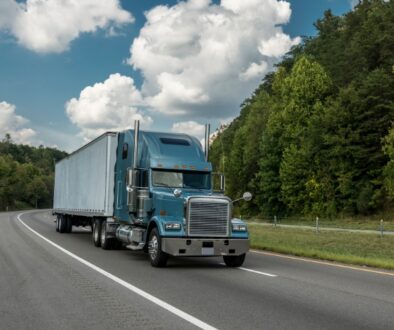
What If The I-90 Crash Involved A Semitruck?
A commercial truck claim may involve the driver, motor carrier, employer, truck or trailer owner, maintenance provider, cargo-loading company, and commercial insurers. Driver logs, maintenance records, electronic information, and carrier records may also become relevant.
Should I Accept An Early Insurance Settlement?
That decision depends on whether the settlement reasonably accounts for the injuries, expenses, lost income, available coverage, and expected future effects. A settlement usually requires a release of claims, so the terms should be understood before the agreement is signed.
Understanding The Process After An I-90 Crash
An accident on I-90 near La Crosse or Sparta may connect several Western Wisconsin communities, law enforcement agencies, medical providers, insurers, and drivers from other states. Those connections can make the insurance and legal process less straightforward than it initially appears.
Accurate documentation, appropriate medical care, careful insurance communication, and an understanding of the applicable deadlines can help an injured person make informed decisions. The right approach depends on the location of the crash, the parties involved, the available evidence, and the person’s medical and financial circumstances.
This article is for general educational purposes and does not constitute legal advice.
Contact Bosshard Parke After An I-90 Accident
If you or a family member was injured in a crash on I-90 near La Crosse, Sparta, or another Western Wisconsin community, Bosshard Parke can help you understand the liability, insurance, evidence, and procedural issues that may apply.
Bosshard Parke’s leading personal injury attorney, Howard J. Eglash, brings more than 35 years of legal experience and a trial-tested approach to serious injury cases. He works closely with injured individuals and families to understand the full impact of an accident and pursue the legal options available under Wisconsin law.
Request a consultation with Bosshard Parke.
Article by Howard Eglash, personal injury attorney at Bosshard Parke Ltd. For more information, contact him at 608-782-1469.

Personal Injury Representation Across the Region
With offices in La Crosse and Sparta, Bosshard Parke represents personal injury clients throughout western Wisconsin and southeastern Minnesota.
Office Locations
Additional Areas We Serve
Don’t see your area listed above? Give us a call at 608-782-1469.